Tuesday, April 27, 2010

Today, the word Gothic primarily describes a style of European architecture which flourished from the twelfth through the sixteenth centuries, though the word seems originally to have referred to any non-classical (Greek or Roman) architecture. Gothic architecture used pointed arches and vaults, flying buttresses, narrow spires, stained glass windows, intricate traceries, and varied details; its upward movement was meant to suggest heavenward aspiration. One would think the opposite because of it gloomy, depressing meaning. When a person thinks 'gothic', they don't ever really think about heaven and God.

"The Gothic creates feelings of gloom, mystery, and suspense and tends to the dramatic and the sensational, like incest, diabolism, and nameless terrors. Most of us immediately recognize the Gothic (even if we don't know the name) when we encounter it in novels, poetry, plays, movies, and TV series. "

http://academic.brooklyn.cuny.edu/english/melani/gothic/gothic.html

--Tanya Rios

According to virtualsalt.com/gothic.htm, gothic novels have few specific elements in which they believe should be included for a novel to be considered 'gothic'. Some of these elements include:
1. Setting in a castle.
2. An atmosohere of mystery and suspense.
3. An ancient prophechy.
4. Omens, portents, visions.
5. Supernatural or otherwise inexplicable events.
6. High, even overwrought emotion.
7. Woman in distress.
8. Women threatened by a powerful, impulsive, tyrannical man.
9. The metonomy of gloom and horror.
10. The vocabulary of the gothic.

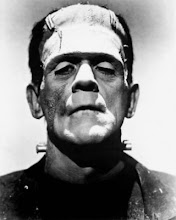
Frankenstein had half, if not most of these elements. The atmosphere was full of mystery and suspense because you never knew who might die next or where the creature may be. Victor Frankenstein considered his mothers death to be an 'omen' for future unfortunate events. This creature living among the living woulkd be considered 'supernatural'. Elizabeth was killed by the big creature. And in general the story is full of gloom and horror.

--Tanya Rios

Monday, April 26, 2010

Psycho Trailer

I posted this video from Alfred Hitchock because this black and white film relates to Mary Shelley's Gothic setting in many ways,the spooky setting of the trailer,the house in the hill, the horror and suspense of this movie make this type of old fashion serial killer a great combination of what many artist are influence by.

Writers who made Gothic Style popular

A Brief Historical Overview: "The first great practitioner of the Gothic novel, as well the most popular and best paid novelist of the eighteenth century England, was Ann Radcliffe. She added suspense, painted evocative landscapes and moods or atmsophere, portrayed increasingly complex, fascinatingly-horrifying, evil villains, and focused on the heroine and her struggle with him. Her best works–A Sicilian Romance (1790), The Mysteries of Udolpho (1794), and The Italian (1797), with the irredeemably malevolent monk, Schedoni–still have the ability to thrill and enthrall readers.
Inspired by Radcliffe and influenced by German sensationalist horror tales, Matthew Lewis wrote The Monk (1796). The novel follows the lust-driven monk Ambrosio from one abominal act to another–rape, incest, matricide, burial alive– to his gory death and well-deserved damnation. Naturally it was enormously successful and controversial. The story goes that Radcliffe, a sedate, conventional matron, was appalled at his novel and his acknowledging her influence on him, so she responded with The Italian, whose villain is also a monk, to show how a novel of terror and suspense should be written."
Women were a big influence in the beginning of the Gothic era as they inspired many writers to define the aspects of this trend.
www.ask.com/web?q=Modern+Gothic+Writing&qsrc=2991
Frankenstein by Mary Shelley and Wuthering Heights by Emily Bronte are very similar and both revolve around death. Death is used as a prominent element in both books, and both Shelley and Bronte use death to show the psychological changes within characters. Both books show the psychological changes between the main characters, and the ones living after the deaths have occurred. Although the books have similiar elements, they use them a bit differently. While Frankenstein takes a more violent look on life, Wuthering Heights deals with more of natural, psychological point of view.

--Tanya Rios